GSC AI Visibility Reports: A 2026 Guide
A technical guide to Google Search Console’s 2026 AI Visibility Reports — how to track AI Impressions, Citation CTR, and Generative Query Match, and what it takes to earn citations inside AI Overviews through Generative Engine Optimization (GEO).
SEO has officially entered a completely new measurement era. For years, digital marketers begged Google for transparent data regarding AI search features. We needed to understand how generative results affected organic traffic. Google finally answered our prayers. Search Console now includes dedicated AI Visibility Reports. This massive update changes everything for digital marketers in 2026.
You can no longer rely on traditional ranking metrics alone. AI Overviews completely dominate the top of the search results page. Users frequently get their answers without ever scrolling down. Businesses must adapt quickly to survive this shift. Traditional clicks are dropping for simple queries. However, high-value citations are driving incredible conversions.
Webmasters were flying blind for far too long. We guessed how often our links appeared inside AI summaries. We assumed certain content structures worked better than others. Now, we have hard data directly from Google. At Twigital, we have spent countless hours analyzing these new dashboards. Today, we will break down exactly what you need to know.
The Death of the Ten Blue Links
Traditional search behavior is fading fast. Modern users demand instant, synthesized answers. Google uses advanced LLMs to generate direct responses to complex questions. These AI Overviews push standard organic links far down the page. Sometimes they push traditional results completely below the fold.
Being ranked number one organically is no longer enough. Your website must be cited within the AI response itself. Previously, measuring this specific inclusion was impossible. Marketers relied on clunky third-party scraping tools. Those tools were wildly inaccurate due to personalized search variations. That frustrating era is officially over.
Understanding the New Dashboard Features
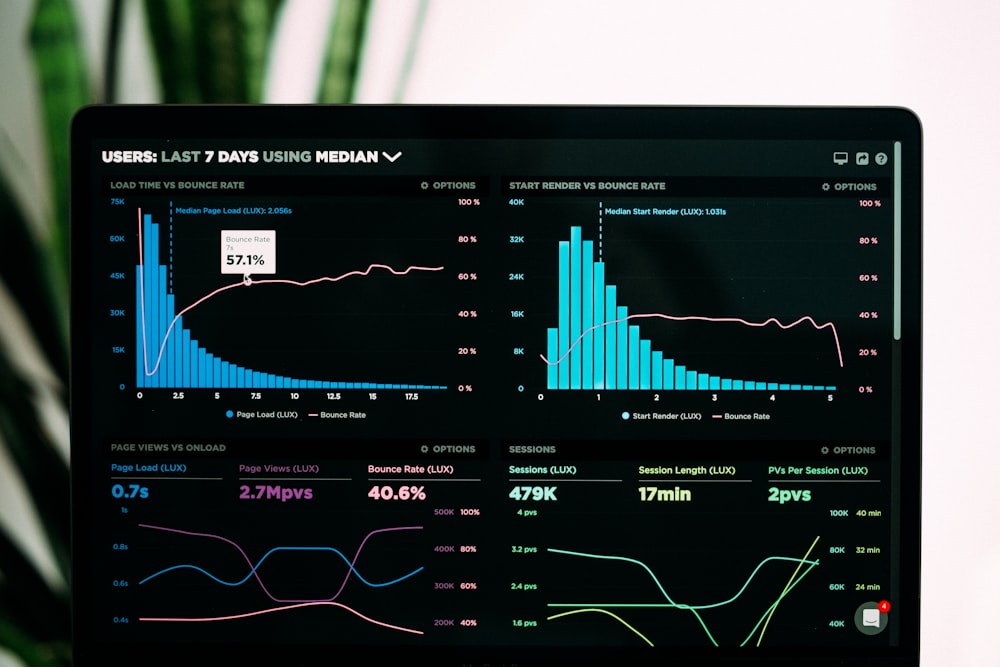
Google rolled out this update to all verified properties recently. You will notice a brand new tab inside your GSC performance dashboard. It specifically isolates traffic coming from generative search features. This gives webmasters unprecedented insight into AI-driven user behavior.
You can finally see exactly how often AI cites your brand. The interface breaks down data into highly specific segments. It separates standard web search from AI-augmented results. You can now toggle a simple filter to view only generative data. This granular view is essential for modern reporting.
Key Metrics You Must Track Today
The new interface introduces several crucial metrics. Marketers must learn these data points immediately. They dictate the future of your organic strategy.
- AI Impressions: This shows how often your link appears inside an AI Overview. High impressions mean the algorithm trusts your content. Low impressions indicate a severe lack of topical authority.
- Citation CTR: Users interact with AI responses very differently. They click small citation cards instead of large traditional links. This metric tracks the click-through rate of those specific cards. A low CTR means your metadata lacks a strong hook.
- Generative Query Match (GQM): This new metric shows how closely your content matches the AI’s generated response. It highlights if your page was used as a primary source. A high GQM means you are successfully feeding the LLM.
Why Traditional Rank Tracking is Failing
Old SEO software relies entirely on scraped data. These legacy tools check traditional keyword positions on a static page. However, they struggle to accurately capture dynamic AI elements. An AI Overview changes constantly based on user history. It adapts fluidly to location and device type.
Therefore, static rank tracking is deeply flawed in 2026. You might rank second on a popular desktop tracking tool. But a real user might only see a massive AI summary on their phone. GSC’s native reports provide the only verified source of truth. Relying on third-party scrapers is now a very dangerous game.
✗ Traditional Metric: “We rank position #2 for ‘Best CRM Software’.”
✓ Modern AI Metric: “We appeared in 4,500 AI Overviews this week and secured a 6% Citation CTR.”
How to Optimize for AI Inclusion (GEO)
Seeing the data is only the first step. You must actively optimize your site to appear in these reports. We call this Generative Engine Optimization (GEO). It requires a completely different mindset than legacy SEO.
Search algorithms used to look for keyword density. Now, machine learning models look for information density. They want structured facts. They crave unambiguous data. You must feed them properly.
1. Answer the User Immediately
AI models want quick, verified facts. Provide direct answers at the very top of your pages. Use the journalistic inverted pyramid writing style. State the conclusion first. Explain the details later. This allows the AI to easily extract your core point.
2. Implement Strict Schema Markup
JSON-LD markup is absolutely mandatory today. It explicitly feeds your data to the AI. Ensure your LocalBusiness and FAQ schemas are flawless. Do not leave room for algorithmic guessing. Define your entities clearly.
3. Build Dense Information Blocks
Remove useless marketing fluff from your copy. AI completely ignores promotional adjectives. Pack your paragraphs with statistics, entities, and verified facts. If you claim to be the best, provide the data to prove it.
4. Format with HTML Tables and Lists
LLMs easily parse structured tables and bulleted lists. Use them extensively for comparisons, pricing, and feature breakdowns. This drastically increases your chances of citation. Messy CSS grids confuse crawlers. Clean HTML tables empower them.
Analyzing the Impact on Search Traffic
Many website owners fiercely fear AI will steal all their traffic. The reality is much more nuanced than that. Informational queries are definitely seeing click drops. Users get their quick answers about the weather or simple facts and leave immediately.
However, commercial queries are actually driving much higher-quality leads. When an AI cites your brand for a complex service, immense trust transfers instantly. The user views you as the definitive, AI-verified expert. Therefore, overall traffic volume might decrease slightly. Yet, conversion rates are skyrocketing for properly optimized sites.
Quality is officially replacing quantity in the search marketing world. Ten highly qualified clicks from an AI citation will outperform one hundred random organic clicks. You must focus on capturing bottom-of-funnel intent.
The Twigital Strategy for 2026
Navigating this new GSC dashboard can feel incredibly overwhelming at first. The sheer amount of new data is staggering. At Twigital, we specialize in making sense of this chaos. We help businesses seamlessly transition from traditional SEO to GEO.
Our technical team monitors your AI Visibility Reports daily. We identify exactly which commercial queries trigger generative answers in your industry. Then, we meticulously optimize your landing pages to become the primary citation source. We focus heavily on building deep semantic authority.
This ensures Google’s algorithms view your brand as an unimpeachable source of truth. Stop guessing what the AI wants. Start using real Google data to drive your marketing decisions. The search landscape of 2026 belongs entirely to the adaptable. Let Twigital help you dominate the new generative SERP today.
